
 sale@henanminecranes.com
  +86 16627702870

In the world of material handling and industrial lifting, few tools combine versatility, precision, and raw power as effectively as the electric chain hoist. Whether you are operating a manufacturing plant, an automotive workshop, or a construction site, understanding the nuances of this equipment is critical to maximizing productivity and ensuring workplace safety.
This comprehensive guide will walk you through what an electric chain hoist is, how it works, its key advantages, critical safety features, and how to select the right model for your specific needs.
What is an Electric Chain Hoist?
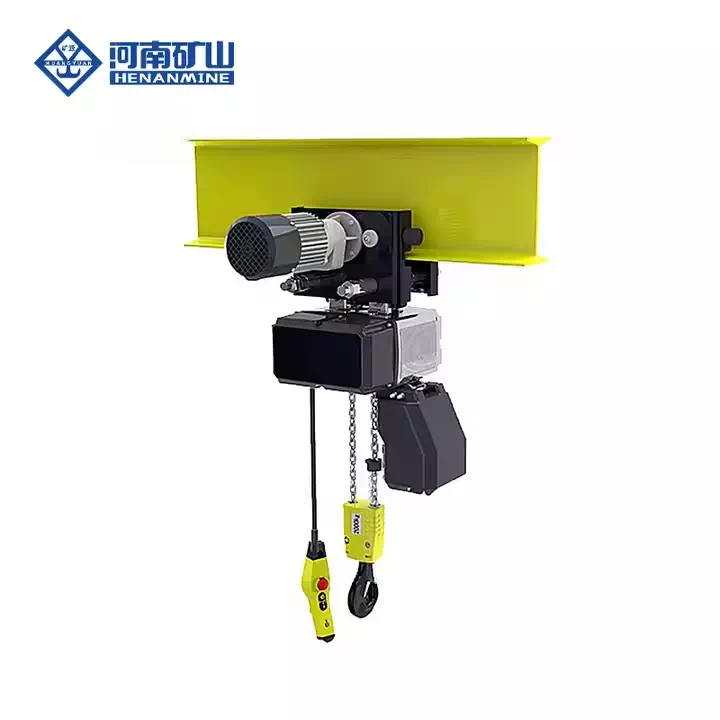
An electric chain hoist is a lifting device that uses an electric motor to operate a load chain, enabling the raising and lowering of heavy loads with minimal physical effort. Unlike manual chain hoists (lever or hand chain hoists), electric versions offer rapid lifting speeds and precise positioning, making them ideal for repetitive lifting tasks or heavy-duty applications.
These hoists are typically suspended from overhead structures such as bridge cranes, gantry cranes, or I-beams, providing a comprehensive lifting solution for industrial environments.
How Does an Electric Chain Hoist Work?
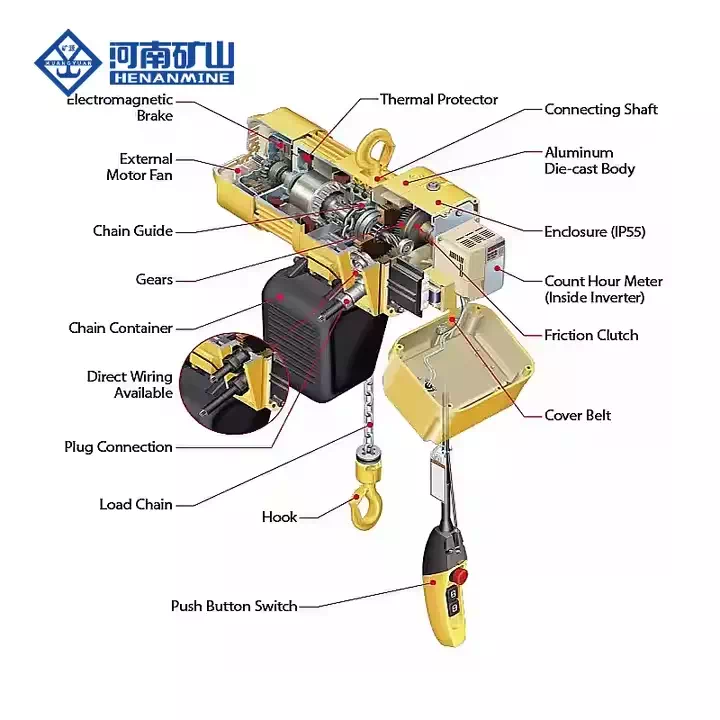
The mechanism of an electric chain hoist is a blend of mechanical engineering and electrical safety. At its core, the hoist consists of:
Electric Motor: Usually a high-torque, continuous-duty motor that powers the lifting operation.
Gear Train: A reduction gearbox that converts the high-speed rotation of the motor into high-torque, slow-speed lifting power.
Load Chain: A heat-treated, high-tensile steel chain that wraps around a pocket wheel (lift wheel) to raise or lower the hook.
Braking System: A mechanical or electromagnetic brake that engages automatically when the motor stops, preventing load drift.
Control Pendant: A handheld or remote control unit that allows the operator to manage lift, lower, and travel functions (if part of a crane system).
When the operator presses the “up” button, the motor drives the gear train, rotating the lift wheel. The chain moves through the hoist body, lifting the bottom hook and the attached load.
Key Advantages of Using Electric Chain Hoists
Switching from manual lifting or pneumatic hoists to an electric chain hoist offers several tangible benefits:
1. Enhanced Productivity
Electric hoists drastically reduce cycle times. With push-button controls, operators can lift heavy loads quickly without physical fatigue, significantly accelerating production lines and workflow.
2. Superior Precision
Modern electric chain hoists come with variable frequency drives (VFDs) or dual-speed controls. This allows for "inching" capabilities—moving the load millimeters at a time for precise positioning during assembly or machinery installation.
3. Durability and Longevity
Built with industrial-grade components, these hoists are designed for harsh environments. The load chains are typically nickel-plated or coated for corrosion resistance, ensuring long service life even in dusty or humid conditions.
4. Cost-Effectiveness
Compared to wire rope hoists, electric chain hoists are generally more compact and less expensive to purchase and maintain. Chain replacement is often simpler and more cost-effective than wire rope replacement.
Critical Safety Features to Consider
Safety is paramount in material handling. Modern electric chain hoists are equipped with features designed to protect both the operator and the equipment.
Overload Protection: This is a non-adjustable safety device that prevents the hoist from lifting loads exceeding its rated capacity. If the load is too heavy, the hoist automatically cuts power to the motor.
Limit Switches: Upper and lower limit switches automatically stop the hook at the end of its travel path, preventing damage to the hoist or the load.
Emergency Stop: A red button on the control pendant that immediately halts all functions in case of an emergency.
Auxiliary Contactors: To prevent "welding" of the main contactors, which could cause the hoist to continue running uncontrollably, modern hoists use mechanically linked auxiliary contacts.
Chain Container: A properly sized chain bag or container keeps the slack chain organized, preventing tangles and trip hazards.
How to Select the Right Electric Chain Hoist
Choosing the correct hoist for your application requires a careful assessment of your operational needs. Here are the key factors to evaluate:
1. Lifting Capacity
Electric chain hoists typically range from 250 lbs (0.125 tons) to over 20 tons. Always ensure the hoist’s capacity exceeds the maximum weight of the loads you intend to lift. Consider dynamic loading—the shock load generated when starting or stopping—and select a hoist with a safety factor (usually 5:1 or 8:1) compliant with industry standards like ASME B30.16 or OSHA.
2. Lift Height
Measure the vertical distance from the floor to the hook at the highest point of lift. Standard lifts are often 10 to 20 feet, but custom lifts can be specified for high-bay warehouses or outdoor structures.
3. Headroom
Headroom is the distance from the suspension point (the beam) to the top of the hook when the hoist is fully raised. If you have low ceilings, look for a low-headroom design that maximizes vertical lifting space.
4. Duty Class
The duty class (e.g., H2, H3, H4) defines how often the hoist can run.
H2 (Light Duty): Intermittent use, such as maintenance shops.
H3 (Medium Duty): Machine shops, warehouses.
H4 (Heavy Duty): High-volume manufacturing, foundries, or steel service centers.
5. Lifting Speed
Single Speed: Suitable for general lifting where precision is not critical.
Dual Speed / VFD: Essential for delicate assembly work or where load sway must be minimized.
Maintenance Tips for Longevity
To ensure your electric chain hoist remains safe and operational, adhere to a regular maintenance schedule:
Daily Inspection: Check the chain for wear, nicks, or stretch. Ensure the hook latches are functional and the control pendant cords are undamaged.
Lubrication: Use the manufacturer-recommended chain lubricant. A well-lubricated chain reduces friction on the pocket wheel and extends the life of the chain significantly.
Load Testing: After installation, repair, or major adjustments, conduct a load test (typically 125% of rated capacity) to verify performance.
Electrical Checks: Periodically inspect the motor brake, contactors, and wiring for signs of overheating or corrosion.
Conclusion
The electric chain hoist is an indispensable asset for modern industry. It bridges the gap between manual labor and complex overhead crane systems, offering a blend of speed, precision, and reliability. By understanding the mechanics, safety features, and selection criteria outlined in this guide, you can invest in a hoisting solution that not only boosts your operational efficiency but also ensures a safer working environment.
Whether you are upgrading your existing equipment or setting up a new facility, prioritizing quality and proper maintenance will ensure that your electric chain hoist serves as a workhorse for years to come.
Henan Mining Cranes Co., Ltd. is a leading crane manufacturer in China. With decades of industry experience, we have become a trusted partner in the global material handling solution field. We are committed to providing comprehensive professional services tailored to your specific needs. We recommend the most suitable crane products, offer accurate quotations, and design customized solutions. Welcome to contact us.
Get In Touch
Email: sale@henanminecranes.com
Website: https://henanminecrane.com/
Whatsapp:16627702870
phone:+86-0373-3088011