PRODUCT INTRODUCTION
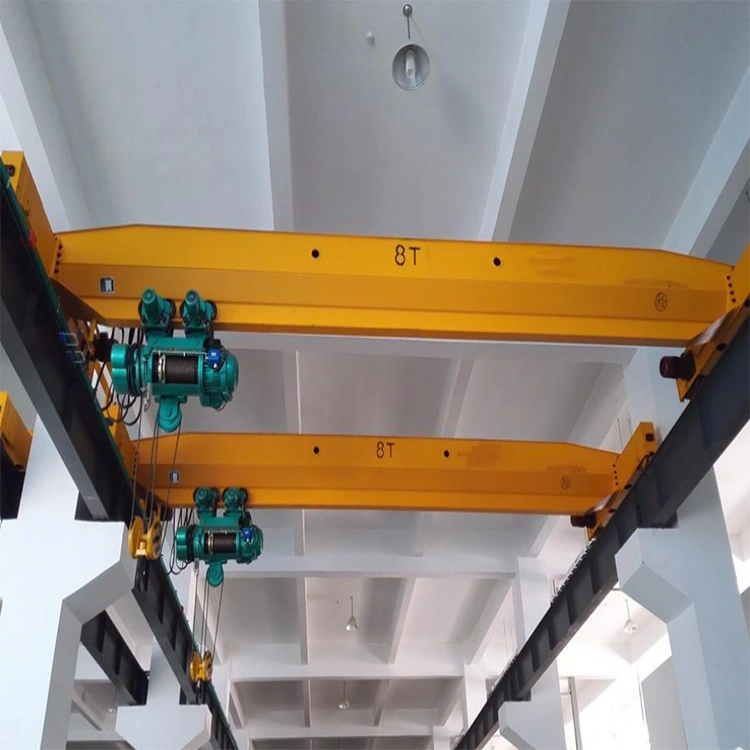
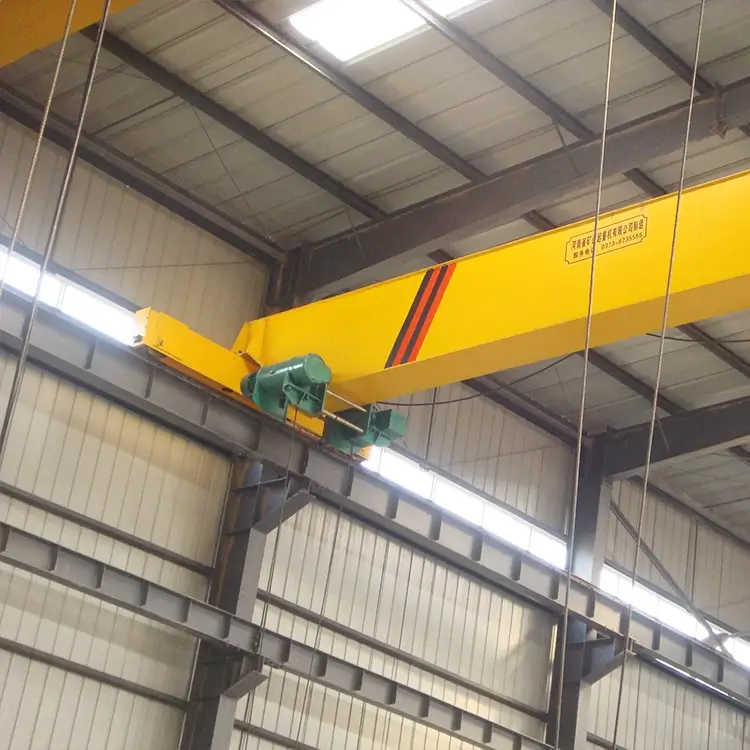
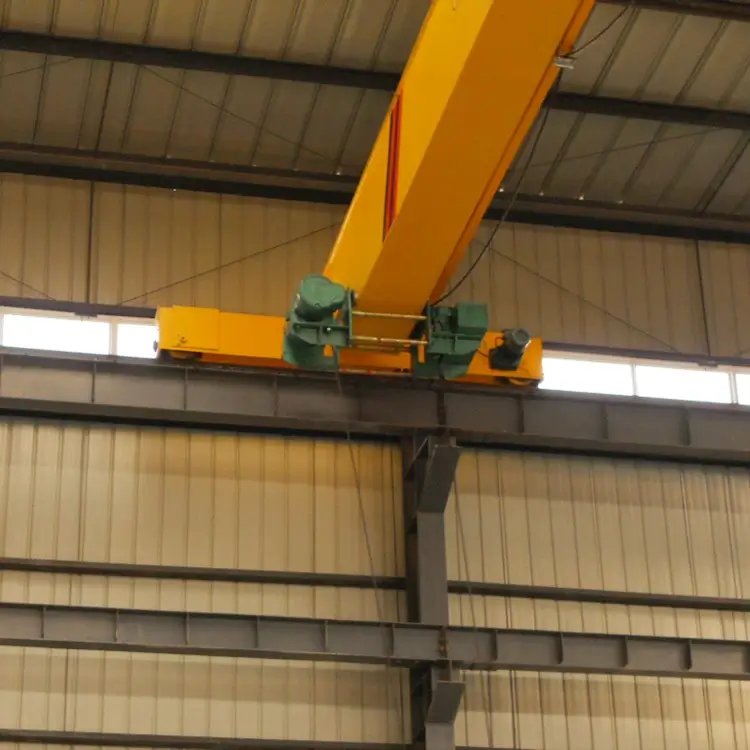
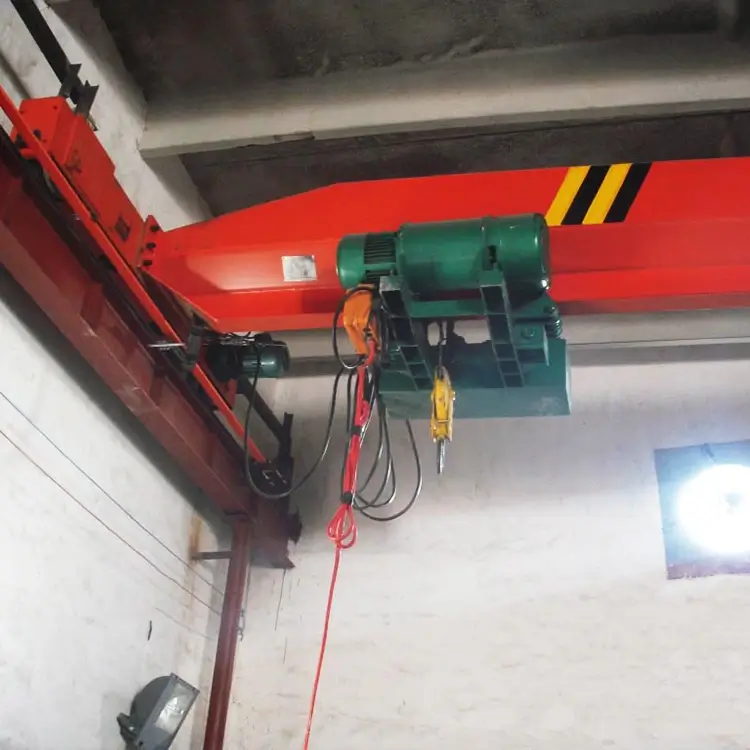
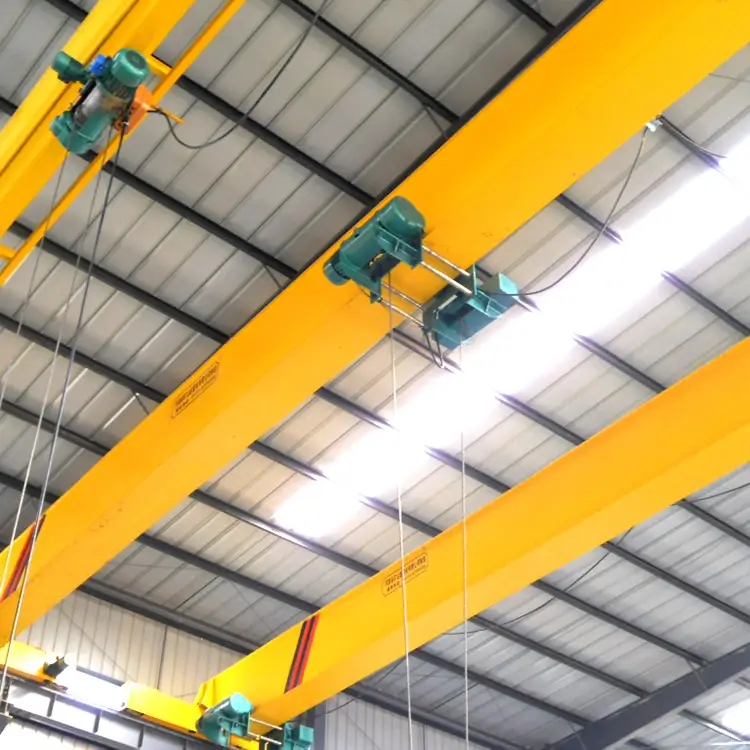
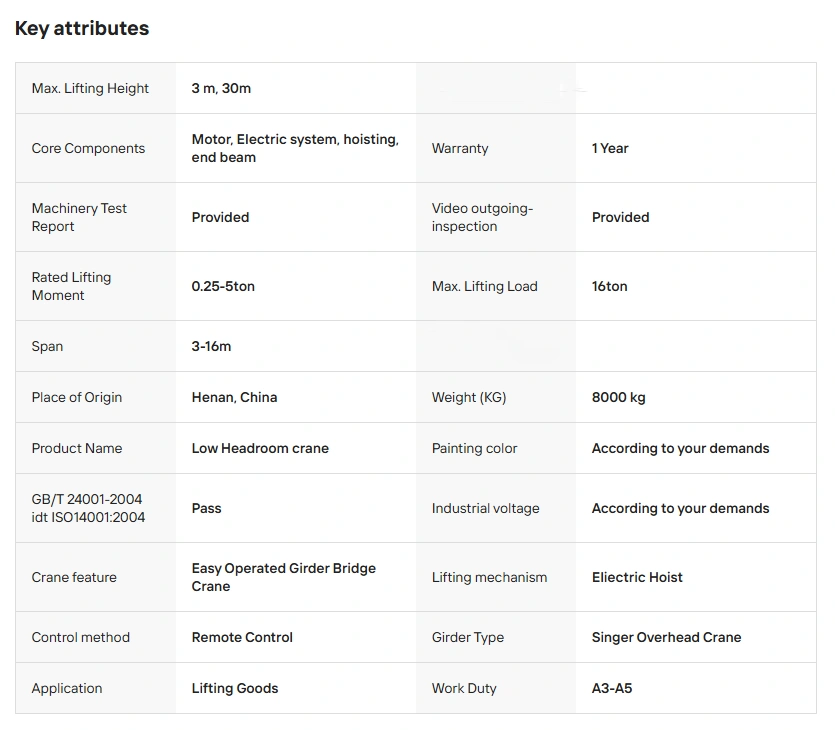
The Low Headroom Single‑Girder Crane is a specialized overhead lifting solution designed for facilities where vertical clearance is limited but reliable material handling is essential. Traditional overhead cranes require a significant distance between the hook and the building roof to accommodate the hoist, trolley, and bridge girder. The low headroom design compresses this height by integrating the hoist into the trolley and using a specially profiled girder, allowing the crane to operate in spaces with as little as a few hundred millimeters of clearance.
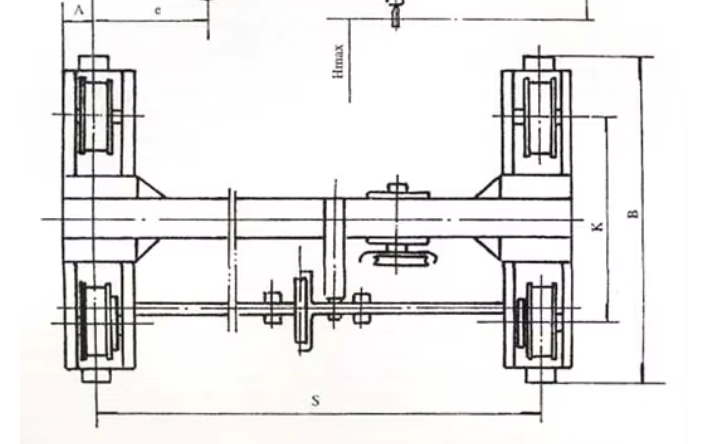
This crane features a single bridge girder (typically a rolled steel I‑beam or a fabricated box section with a cut‑out or recessed rail) and a compact hoist trolley that sits partly within the girder’s profile. The hoist is usually a low‑headroom electric wire rope or chain unit with a side‑mounted or integrated motor. By minimizing the distance from the rail to the hook, the crane can achieve maximum lift height without requiring expensive building modifications such as raising the roof or recessing runway beams.
APPLICATION
1. Low Ceiling Warehouses & Storage Facilities
Pallet Racking Retrieval: Lifting pallets from high‑density racking in warehouses with roof heights under 5 meters, where standard cranes cannot operate.
Mezzanine Underside Lifting: Installing cranes directly under mezzanine floors to serve storage or work areas without raising the mezzanine.
Bulk Storage Handling: Moving heavy containers, drums, or machinery parts in buildings with low roof trusses or ceiling obstructions.
2. Manufacturing Facilities with Ductwork & Piping
Under HVAC Systems: Operating cranes beneath air conditioning ducts, sprinkler lines, or electrical busways without interference.
Pipe Bridge Areas: Lifting equipment in areas congested with process piping, conduit, or cable trays.
Cleanroom Ceilings: Working in pharmaceutical or electronics cleanrooms where ceiling height is limited by filtration and lighting modules.
3. Automotive Repair & Service Bays
Engine & Transmission Removal: Lifting engines and transmissions from vehicles in service bays with low overhead clearance (e.g., older garages or basement workshops).
Parts Storage Mezzanines: Moving heavy parts (brake drums, axle housings, cylinder heads) from ground to mezzanine storage.
Tire & Wheel Handling: Lifting large truck or bus tires for storage or mounting in low‑height service areas.
4. Basement & Underground Facilities
Subterranean Workshops: Lifting machinery, tooling, and materials in basements of industrial plants or power stations.
Parking Garage Maintenance: Handling heavy equipment (ventilation fans, pumps, transformers) in underground parking structures.
Tunnel Construction Support: Providing lifting capability in tunnel boring machine (TBM) assembly or maintenance areas with limited overhead.
5. Shipboard & Marine Applications
Engine Room Cranes: Installing low headroom cranes in ship engine rooms where ceiling height is restricted by deck beams and piping.
Deck Underhang Lifting: Mounting cranes beneath helicopter decks or upper decks for cargo or machinery handling.
Submarine Maintenance: Lifting components inside submarine maintenance facilities with very low overhead.
6. Aerospace Hangars & Maintenance Facilities
Under Wing Lifting: Servicing aircraft in hangars where wing clearance limits crane height; low headroom cranes can work beneath wings.
Nose Dock Areas: Lifting engine cowlings, landing gear components, or avionics in nose docks with low ceilings.
Component Repair Shops: Handling heavy aerospace components (actuators, landing gear struts) in low‑headroom repair cells.







 sale@henanminecranes.com
  +86 16627702870